Managing Chronic Conditions in Rhode Island With Direct Primary Care

Eric Caballero • March 28, 2022

Living with a chronic condition like diabetes, hypertension, or asthma can feel overwhelming. In Rhode Island, Direct Primary Care (DPC) offers a different approach — one focused on proactive management, consistent monitoring, and strong doctor-patient relationships to keep chronic conditions under control.


What Makes DPC Different for Chronic Disease Management?


Traditional primary care often leaves chronic patients feeling rushed and unsupported. DPC changes that by offering:


  • Longer, focused visits for personalized care plans
  • Regular check-ins and follow-ups to track progress
  • Direct communication with your physician for questions or concerns
  • Coordination of lab work, medications, and specialists
  • Benefits of Managing Chronic Diseases Through Rhode Island DPC
  • Better Access & Communication
  • Patients can message their doctor directly for updates, medication adjustments, or lifestyle guidance — reducing complications and ER visits.
  • Personalized Care Plans

Every chronic condition is different. DPC physicians design customized treatment plans, including diet, exercise, medication management, and preventive strategies.


Improved Health Outcomes


Studies show that patients in DPC programs experience fewer hospitalizations and ER visits and better overall disease control.

Chronic Conditions Commonly Managed Through DPC in Rhode Island

  • Diabetes
  • Hypertension
  • High cholesterol
  • Asthma and COPD
  • Thyroid disorders


Managing a chronic condition doesn’t have to be stressful or isolating. Rhode Island DPC provides accessible, personalized care that helps you stay on top of your health and live well every day.


Ready to take control of your chronic condition? Sign Up Today

By RI DPC ADMIN December 28, 2025
January is more than just a new calendar year; it is a time dedicated to raising awareness about critical health issues where prevention and early detection are key. As primary care clinicians, our goal is to empower you with the information needed to take charge of your well-being. This month, we're highlighting Cervical Health Awareness, Glaucoma Awareness, and Thyroid Awareness. Here is a brief overview of these important health topics and resources for further information: Cervical Health Awareness Month Cervical cancer is one of the most preventable cancers, thanks to regular screenings and the HPV vaccine. The primary cause of cervical cancer is the human papillomavirus (HPV), a common sexually transmitted infection. Key Prevention Strategies: HPV Vaccination: The CDC recommends the HPV vaccine for preteens (ages 11-12), but it is also approved for young adults and in some cases, adults up to age 45, after a discussion with your clinician. Regular Screenings: Routine Pap tests and HPV tests can detect cell changes before they become cancerous. The U.S. Preventive Services Task Force (USPSTF) provides screening guidelines based on age. For more information, please visit the National Cervical Cancer Coalition (NCCC) or the CDC's Cervical Cancer page. Glaucoma Awareness Month Glaucoma is often called the "sneak thief of sight" because it usually has no warning signs in its early stages. It damages the optic nerve and is a leading cause of irreversible blindness, but treatment can often stop the damage and prevent further vision loss if caught early. Key Prevention Strategies: Comprehensive Dilated Eye Exams: This is the only way to spot glaucoma early. The National Eye Institute (NEI) provides resources to understand risk factors and the importance of exams. Know Your Risk Factors: High-risk groups include people over 60, those with a family history of glaucoma, African Americans over 40, and people with diabetes. For more information, visit the National Eye Institute at NIH or the CDC's Glaucoma page. Thyroid Awareness Month The thyroid is a small, butterfly-shaped gland in your neck that produces hormones affecting almost every cell in your body, regulating metabolism, heart rate, and body temperature. Common Conditions & Symptoms: Hypothyroidism (underactive) and Hyperthyroidism (overactive) are the most common conditions. Symptoms can be vague, including fatigue, weight changes, dry skin, and hoarseness, making awareness and testing vital. A lump or growth in the neck (nodule) may be a sign of thyroid cancer, which is often curable. For more information, the American Thyroid Association (ATA) offers extensive resources, including information on thyroid function tests and common conditions. We encourage you to use this January as a reminder to schedule your annual wellness exams and discuss these vital screenings with your healthcare provider. Early detection saves lives and preserves quality of life. Stay healthy!
By RI DPC ADMIN December 28, 2025
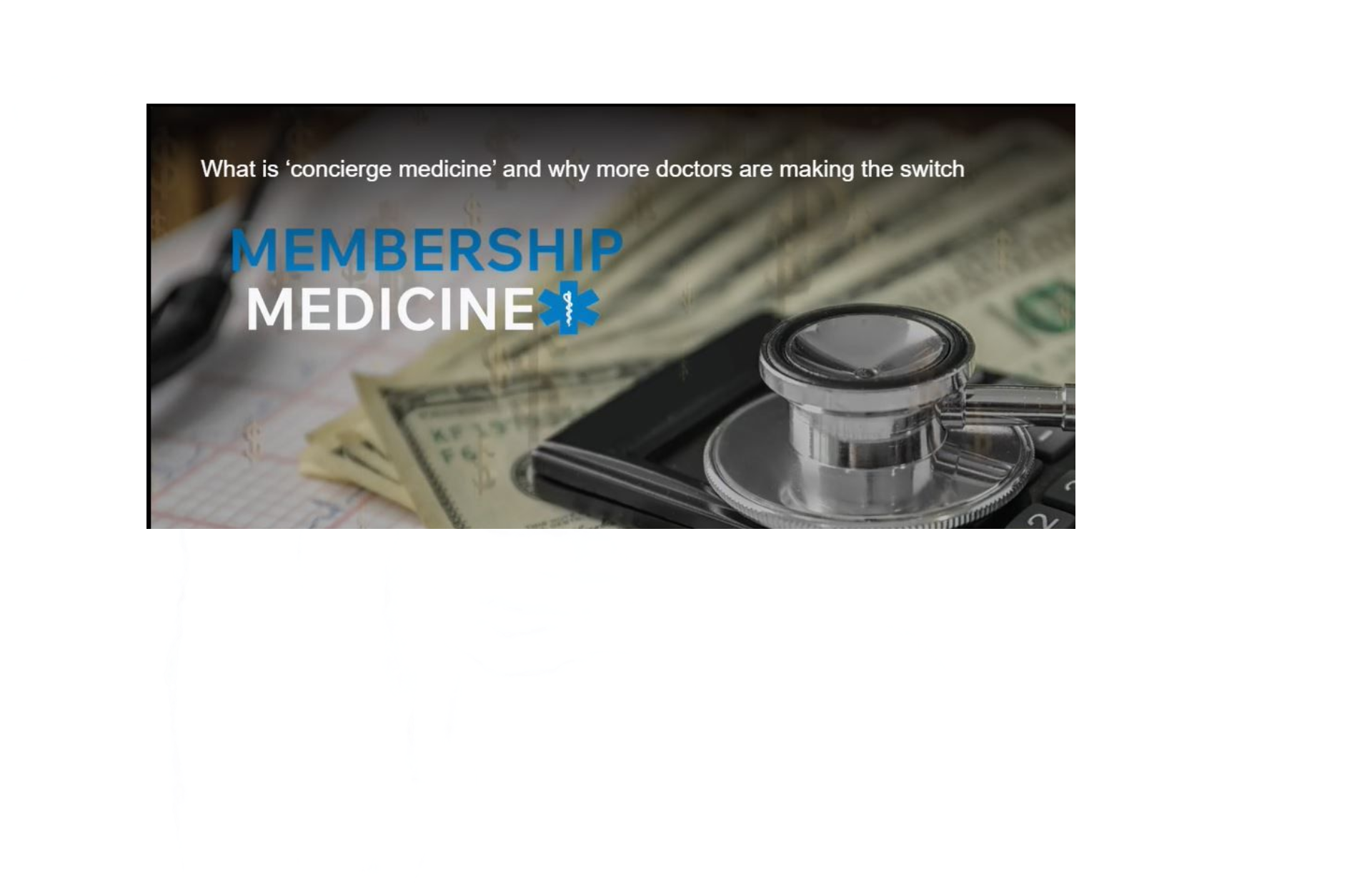
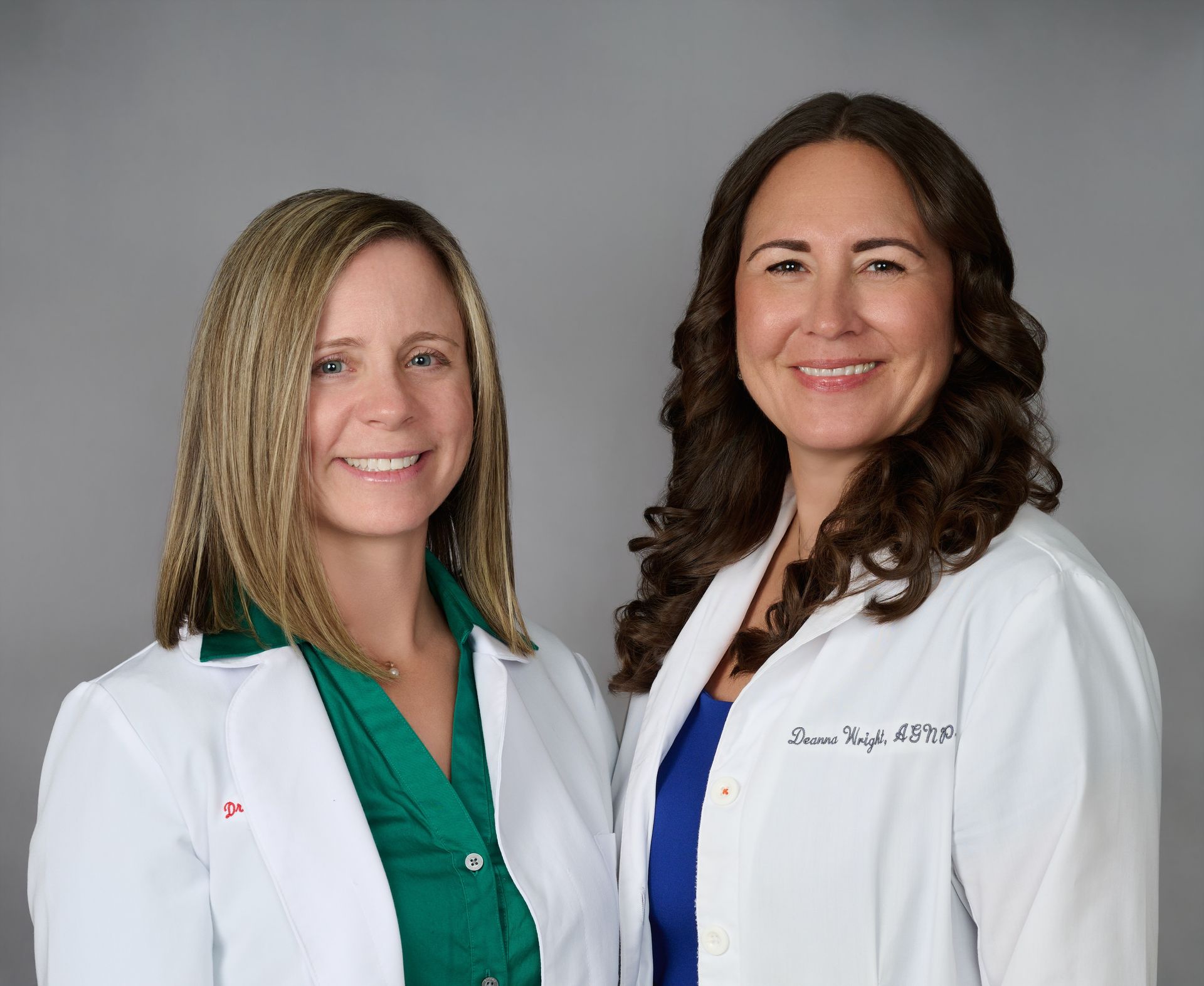
NBC News' Anne Thompson speaks with one physician who recently made the transition from corporate medicine to Direct Primary Care. Click here to hear his story: https://www.youtube.com/watch?v=pxmgcvAOfIw Dr. Letitia Horrigan and Deanna Wright, NP-C couldn't agree more. Direct Primary Care places the patient at the center of healthcare. Health Made Simple. Care Made Personal.
Family walking on sidewalk, holding hands. White wall background.
By Eric Caballero March 28, 2022
Learn how preventive care through Rhode Island DPC can help you stay healthy, avoid illness, and catch problems early — personalized care made simple.
Aerial view of a coastal landscape with green fields, trees, and buildings. Ocean visible in the background.
By Eric Caballero March 28, 2022
Discover how Direct Primary Care offers affordable, personalized healthcare for Rhode Island families — no insurance or hidden fees required.